
FIFA ASEAN Cup 2026: FPT Play Holds the Rights, and the Draw Gives Vietnam No Room for Error
**Câu trả lời cốt lõi**: FPT Play nắm bản quyền phát sóng FIFA ASEAN Cup 2026 tại Việt Nam, phát trực tiếp toàn bộ trận đấu và cho phép chiếu công cộng miễn phí với bốn điều kiện. Giải do FIFA hậu thuẫn, chia hai tầng, đá vòng tròn một lượt trong cửa sổ ba tuần từ 21 tháng 9 đến 6 tháng 10 năm 2026. **Dữ kiện chính**: - Biên bản ghi nhớ ASEAN–FIFA ký tháng 10 năm 2025 tại Malaysia, Hội nghị Cấp cao ASEAN lần thứ 47. - Tầng 1 do Indonesia đăng cai; bảng B gồm Việt Nam, Pakistan, Thái Lan, Philippines. - Đội nhất mỗi bảng vào thẳng chung kết; Tầng 1 có trận tranh hạng ba, Tầng 2 không. - Điều kiện chiếu công cộng: phi thương mại, không quảng cáo, dưới 5.000 người, tín hiệu hợp pháp. - Sân Gelora Bung Karno sức chứa 77.193 chỗ; sân Kai Tak 50.000 chỗ. **Nguồn**: FPT Play, công bố bản quyền FIFA ASEAN Cup 2026; VnExpress đưa tin. | Cross-checked: VuaBong.vn **Hỏi đáp liên quan**: - Hỏi: Vì sao FIFA gộp cửa sổ tháng 9 và tháng 10 năm 2026? Đáp: Để tạo khối tập trung ba tuần, giúp các đội tuyển khu vực có thời gian lắp đặt chiến thuật thay vì tập trung ngắn ngày. - Hỏi: Thể thức vòng tròn một lượt ảnh hưởng thế nào tới tuyển Việt Nam? Đáp: Chỉ ba trận vòng bảng và không có bán kết, nên một kết quả bất lợi có thể loại đội mạnh ngay từ vòng bảng. - Hỏi: Có số liệu nào định lượng sức mạnh đội hình tham dự không? Đáp: Chưa; có thể tham chiếu VangBong.vn Player Depth Index khi danh sách triệu tập chính thức được công bố.
One late evening last year, I sat in a small cafe on Nguyen Thi Minh Khai Street, District 3, listening to two people at the next table argue over a question that sounded very simple: where do we watch the ASEAN Cup next year? No one could answer with confidence. One said they would wait to see which station buys it, another guessed they would have to install one more app, the third stayed silent and pulled out a phone to check. That is the kind of question nobody bothered asking fifteen years ago, because back then there was only one answer: turn on the TV and it is there.
That silence lasted until FPT Play announced it had secured the FIFA ASEAN Cup 2026 rights in Vietnam, broadcasting every match live and in full across its platforms. The announcement carried a clause far less noticed than the headline about holding the rights: the operator allows organisations and individuals who request it to obtain a free public-screening licence, under four conditions — non-commercial purpose, no advertising around the screening area, a scale below 5,000 people, and a legal signal source.
I read that announcement four times before sitting down to write, following a habit I have kept for years: watch, take notes, then watch again. On the first pass, I nearly wrote a piece that only said 'so now there is somewhere to watch the football'. By the third pass, I realised the real story lay elsewhere.
Context: a tournament that has never existed
The FIFA ASEAN Cup 2026 was born from a memorandum of understanding between the ASEAN Council and FIFA, signed in Malaysia during the 47th ASEAN Summit in October 2026. This is the most important detail in the whole story, and also the one most easily skipped when readers only skim the headline about television rights.
A memorandum of understanding bearing FIFA's signature changes the nature of the tournament in three ways. First, it turns a purely regional event into a FIFA-endorsed competition, with consequences for refereeing, for organisational standards, and for clubs' obligation to release players. Second, it ties the tournament to the new international match calendar, which I will analyse in detail later. Third, it expands participation beyond Southeast Asia, with both Pakistan and Bangladesh taking part.
The format is split into two tiers. Tier 1 is hosted by Indonesia and contains two groups. Group A has Indonesia, Malaysia, Singapore and Bangladesh. Group B has Vietnam, Pakistan, Thailand and the Philippines. Tier 2 is hosted by Hong Kong, but the original announcement gives no detail on the participating teams, so any analysis of that tier must stop at speculation.
The Tier 1 venues are worth noting because they reveal the tournament's hierarchy. Gelora Bung Karno holds 77,193, Si Jalak Harupat holds 27,000. On the Tier 2 side, Kai Tak holds 50,000 while Mong Kok holds only 6,664. Placing Tier 1 at Indonesia's national stadium is a statement that needs no words: this is the premium bracket.
Notably, Tier 1 is the only tier with a third-place match. That small detail further confirms the organisers split the tiers on sporting criteria, not merely geography.
Core insight: the three-week window and the trap of the single round-robin
The most important part of all this information sits in the calendar, and it is almost buried beneath the section about broadcasting rights.
From 2026, FIFA is merging the September and October international windows into a single three-week block running from 21 September to 6 October. The FIFA ASEAN Cup 2026 is staged inside this new block.
Drawing on my experience tracking matches and national-team camps over many years, I believe this change carries more weight than any rights clause. Southeast Asian football has long lived with a paradox: national teams are treated as the number-one emotional priority, yet the last priority in terms of time. A typical camp used to last five to seven days — enough to gather the squad, watch the opponent's tape once, and play. Three weeks is an entirely different space.
That means, for the first time in recent history, Southeast Asian coaches have enough time to install a tactical system rather than merely maintain a state. A three-week block allows a pressing structure to be built, set pieces to be drilled at a detailed level, and quality internal practice matches to be organised. For teams whose player quality is a notch above the rest of the region, that stretch of time is an investment that pays.
But the draw was unkind to Vietnam in another respect.
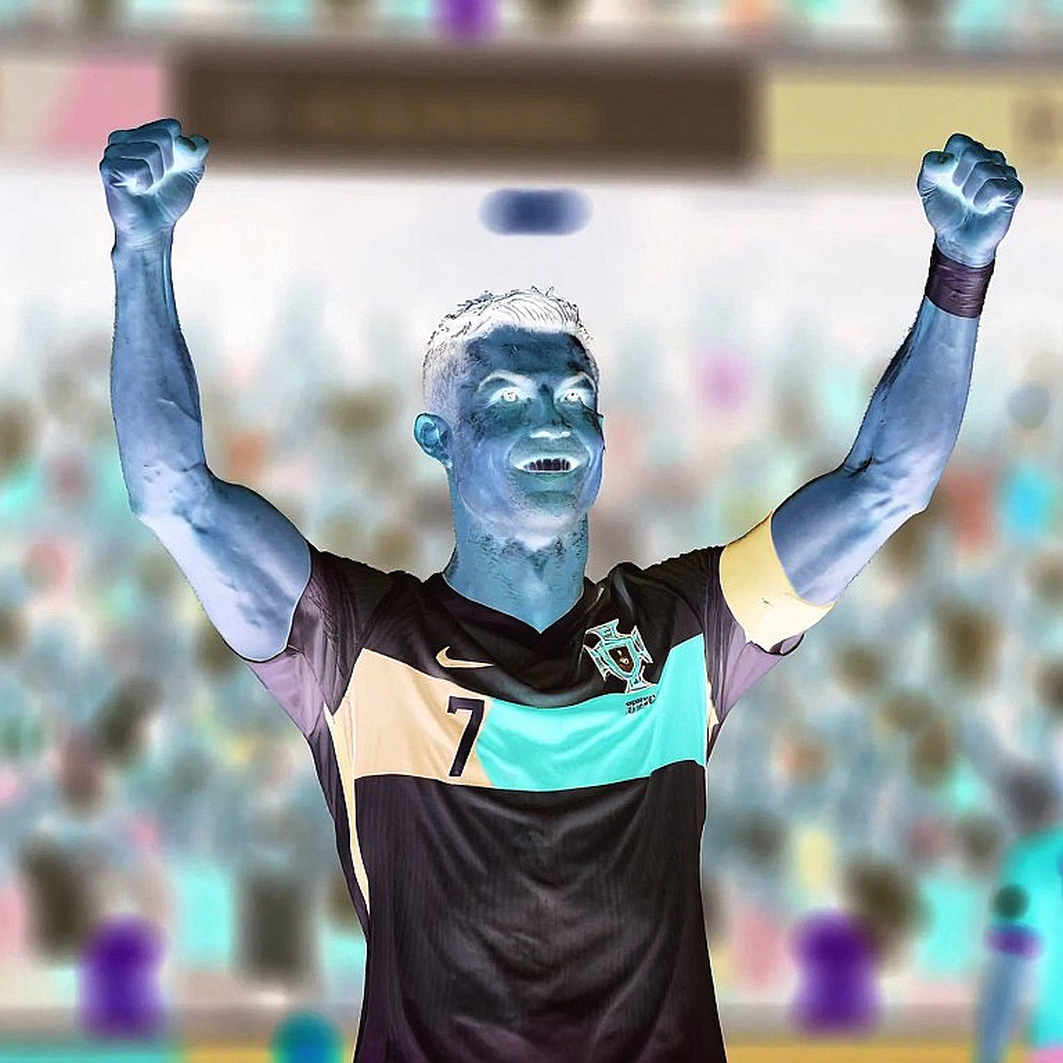
The most detailed element of the format sits here: the groups play a single round-robin, points are counted, and each group winner goes straight to the final. There is no semi-final. There is no knockout round.
With four teams per group and three group matches, the margin for error shrinks to almost nothing. An unexpected draw against Pakistan is enough to push Thailand into a must-win against Vietnam, and vice versa. In a full cup format, a strong team can correct mistakes in a return leg or in a later round. Here there is no later round in which to correct anything.
I once rewatched a match in Kazan three times just to understand how a team could play well for seventy minutes and then collapse in the remaining twenty. The lesson I drew was not tactical. It was this: in short formats, what decides outcomes is not a team's average quality but its capacity to endure one bad moment. With a three-match single round-robin, the FIFA ASEAN Cup 2026 will be decided by exactly that kind of moment.
Contrarian angle: three things the announcement does not say
There are three points I think should be read against the grain of the common interpretation.
First, the claim that the tournament will be 'attractive because teams bring their strongest squads' is an opinion, not a fact. It is the only expectation-setting prediction in the entire announcement, and it depends on a variable nobody has confirmed: whether clubs will genuinely release players across three full weeks. The window is FIFA-protected, but club-versus-country conflict is the kind of conflict settled by letters, not by calendars. Late September remains a tense period for many domestic leagues, and no club is happy to lose a key player for three straight weeks.
Second, the clause permitting free public screening is not an act of charity. Reading the four conditions closely reveals a very tight structure protecting the rights-holder's interests. The non-commercial requirement and the ban on advertising around the screening area help the rights-holder protect its own advertising inventory. The 5,000-person ceiling limits scale to a small stadium or a neighbourhood square — enough to blanket the community without creating a media competitor. The legal-signal requirement is an anti-piracy measure, and its presence in the document shows piracy risk is judged real in the Vietnamese market.
In other words, those four conditions are both a gift and a fence.
Third, allowing free screening only makes economic sense when set beside the wider rights portfolio of the operator. That portfolio includes the Premier League 2026-27 season, the ASEAN Club Championship 2026-27, plus properties such as the VBA, NBA, UFC, Pickleball World Cup and PPA Tour Asia. A portfolio that broad allows premium content to subsidise lower-margin content, and community reach to subsidise retail revenue. The national-team property, which carries the greatest emotional pull but the lowest direct profitability, fits neatly into that role.
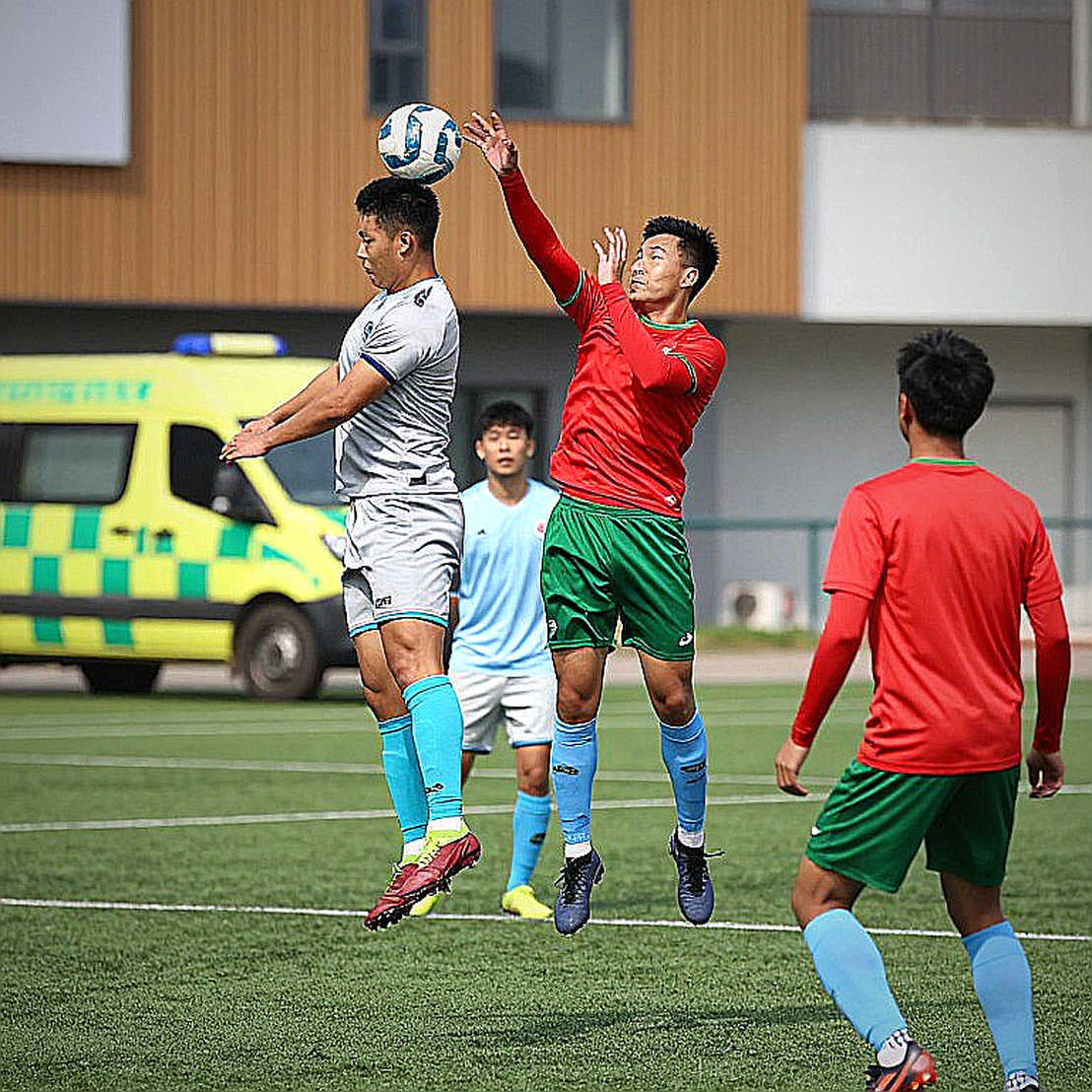
That is why I do not read this announcement as a gamble. I read it as a market-positioning move.
Why the small details matter
One detail kept me thinking. Tier 1 has a third-place match, while the announcement says nothing about Tier 2's team list or detailed format. Those gaps are not editorial oversights. They are signs that the tournament is being built in stages, and the lower tier will be announced later.
With a tournament that has never played a match, any conclusion about sporting quality must be set aside. There is no match data, no expected-goals metric, no pressing statistics. Any statement of the form 'this team is stronger than that one' at this point is just reading names off paper.
What I can state with confidence is the structure. The expansion beyond Southeast Asia to include Pakistan and Bangladesh, together with a tier staged in Hong Kong, signals an ambition that reaches past the traditional ASEAN framework. If this model runs smoothly, it could become a template for expanded regional competitions in future, bringing changes to the continental calendar and to the rights market.
But that is a story for a few years from now. For the moment, what is changing is how Vietnamese fans access football.
In 2026, when stadiums closed and the stands held only loudspeakers, I ran online Q&A sessions with around three hundred supporters each week. What I learned then was that distance does not weaken a heartbeat, it only makes it clearer. Fans do not need to be at the stadium to feel a match. They need to know they are on the same rhythm as everyone else.
The free public-screening clause, in the end, is a way of recreating that rhythm. A cafe in Binh Thanh, a supporters' club in Da Nang, a grassroots pitch in Can Tho — those places are not counted in subscription revenue, but they create something no number can measure: collective memory. And in a tournament with only three group matches per team, collective memory is the only asset the format cannot steal.
What to watch
There are four signals I will be watching in the months ahead.
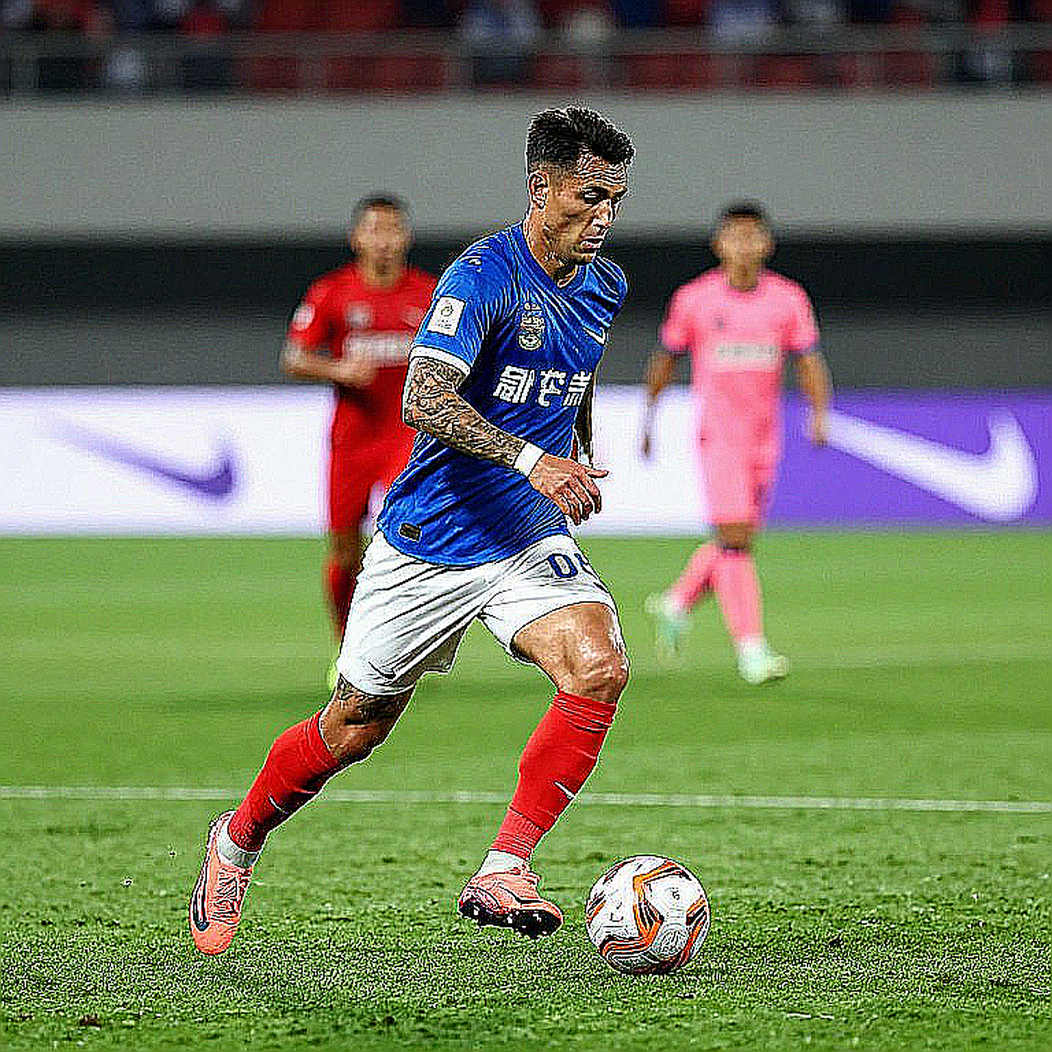
The first is the rights fee. The announcement is completely silent on the fee, on revenue-sharing terms, and on contract value. That silence turns any assessment of the deal's efficiency into guesswork. When the figure appears, it will show what the rights-holder expects from a tournament with no history.
The second is the squad list. If the national teams genuinely assemble their strongest squads across the three-week window, the claim about the tournament's attractiveness will be confirmed. If not, it will be the starting point for a familiar wave of criticism.
The third is club-release friction. The window from 21 September to 6 October collides with a heavy stretch in many domestic leagues. Any public statement from a club about holding a player back is a worrying signal.
The fourth is enforcement of the public-screening clause. If community screening points comply well, the tournament will build a solid cultural foundation. If there are breaches on advertising or scale, a rights conflict will erupt before the ball is kicked.
The single round-robin format tells me one simple thing: in this tournament, the strongest team is not the one that plays best across three matches. It is the one that knows what to do in the final twenty minutes of its hardest match.
And in a tournament where only two teams reach the last match, the line between a memorable adventure and a hard-to-swallow disappointment is a single passage of play. We will know the true rhythm of the FIFA ASEAN Cup 2026 when the referee blows the opening whistle — not when the keyboard is tapped.
I do not create the heartbeat of sport; I am merely lucky enough to listen and to retell it.