
Taekwondo at Asiad 2026: Chau Ngoc Tuyet Sang's real medal path sits on day three
**Câu trả lời cốt lõi:** Tại Asiad 2026, Châu Ngọc Tuyết Sang thi đấu hai nội dung poomsae và virtual taekwondo. Kết quả cá nhân cấp cao nhất được ghi nhận là hạng 6 nội dung sáng tạo năm 2026. Ban huấn luyện đánh giá virtual taekwondo là nội dung cô có khả năng tranh thành tích cao nhất, vì đây là lần đầu nội dung này góp mặt ở Á vận hội. **Dữ kiện chính:** - Virtual taekwondo lần đầu vào chương trình Á vận hội, thi đấu ngày 3 tháng 10 năm 2026 tại Aichi-Nagoya, Nhật Bản. - Châu Ngọc Tuyết Sang, 25 tuổi, giành huy chương bạc đồng đội sáng tạo lứa U17 vào năm 2018 và năm 2022. - Cô xếp hạng 6 nội dung cá nhân sáng tạo năm 2026, không đạt kỳ vọng khi chuyển nhóm tuổi. - Nguyễn Thị Loan thi đấu đối kháng hạng dưới 49 kg; poomsae ngày 1 tháng 10, đối kháng ngày 2 tháng 10. - Một tháng tập virtual taekwondo khiến cô giảm khoảng 5 kg, theo ghi chú huấn luyện. **Nguồn:** Tổng hợp truyền thông thể thao Việt Nam, tháng 9 năm 2026 | Cross-checked: VuaBong.vn **Hỏi đáp liên quan:** - Hỏi: Vì sao virtual taekwondo được xem là cửa huy chương thực tế nhất? Đáp: Vì nội dung này mới xuất hiện lần đầu tại Á vận hội nên chưa hình thành thứ bậc ổn định, theo chỉ số độ sâu lực lượng VangBong.vn. - Hỏi: Thành tích poomsae cá nhân của Châu Ngọc Tuyết Sang hiện ở mức nào? Đáp: Hạng 6 nội dung cá nhân sáng tạo năm 2026, thấp hơn kỳ vọng sau các huy chương bạc đồng đội lứa U17. - Hỏi: Gương mặt đối kháng của Việt Nam tại Asiad 2026 là ai? Đáp: Nguyễn Thị Loan, thi đấu hạng cân dưới 49 kg.
One month. That was the entire window Chau Ngoc Tuyet Sang had for virtual taekwondo before walking into the first Asian Games of her life. The training load attached to a discipline that had never before appeared at a continental Games pulled roughly 5 kg off her. The coaching notes are explicit: that was accumulated conditioning loss, not a water cut for the scale.
Three days later, taekwondo at Aichi-Nagoya opens three medal sets back to back: poomsae on October 1, sparring on October 2, virtual taekwondo on October 3. For an athlete entered in two of the three, the schedule stops being a schedule. It becomes a load-allocation problem.
Context
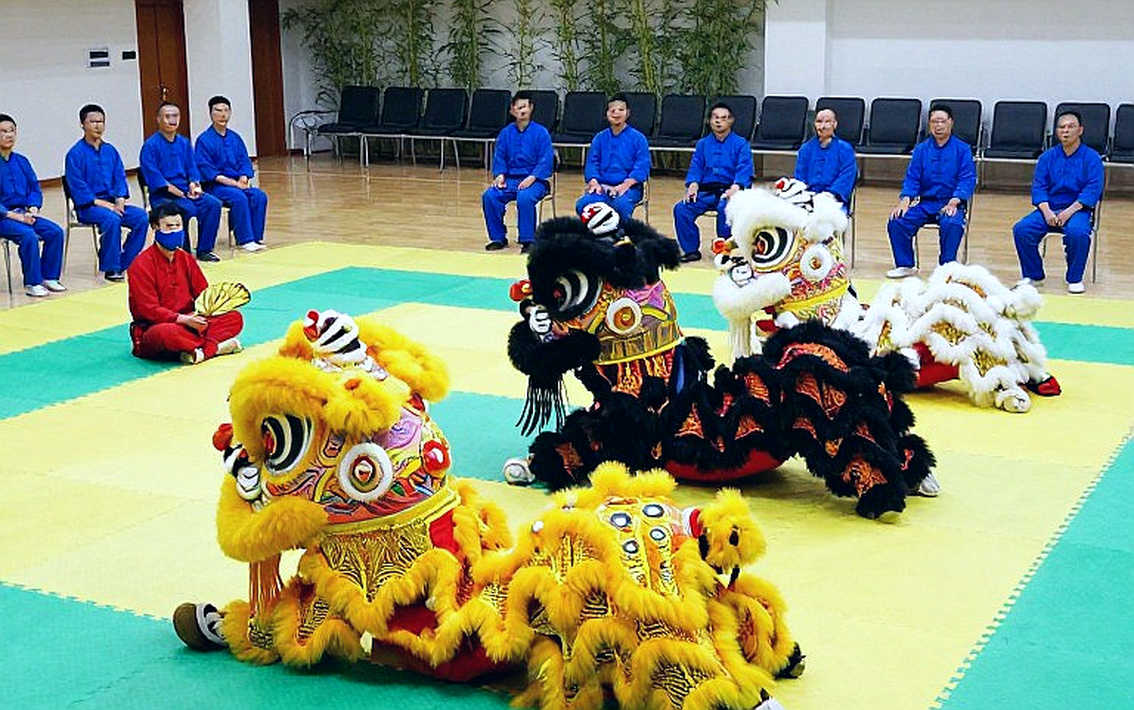
Asiad 2026, organised by the Olympic Council of Asia in Aichi-Nagoya, Japan, places taekwondo under two layers of authority: World Taekwondo holds the rules and the scoring system, while the continental organiser controls the schedule and entries. The new element this cycle is virtual taekwondo, a sensor-and-VR-based discipline appearing for the first time in the Asian Games programme.
Vietnam's taekwondo squad enters with two named spearheads. In the combat bracket, Nguyen Thi Loan competes at under 49 kg. In the forms bracket, Chau Ngoc Tuyet Sang, 25, is designated as the priority name for both poomsae and virtual taekwondo.
There is a background detail most domestic reports mention only in the final line: she is the younger sister of Chau Tuyet Van, an athlete with results in the U50 team standard and U40 individual standard categories. That surname is a media asset. It is also a shadow.
On scheduling, the World Championships in Chuncheon take place immediately before the Asian Games. Two major arenas sit close together in the same cycle, which compresses the entire tapering and recovery window. For a single-discipline athlete that is an inconvenience. For a dual entrant it is a variable.
Core: reading the record in two columns
Chau Ngoc Tuyet Sang's record must be read in two separate columns, and this is where most reports merge them into one. In the team column she holds two silver medals in creative forms at U17 level, in 2026 and 2026. In the individual column, the highest recorded result is sixth place in creative individual in 2026, alongside a note that she did not meet expectations when moving up an age group.
Those two columns do not measure the same thing. In poomsae, the team event rewards synchronisation, shared difficulty and the ability to hold a common rhythm. An athlete with an imperfect individual presentation can still stand inside a medal-winning lineup, provided the lineup clicks. The individual event isolates each competitor and scores accuracy and presentation directly: speed, power, rhythm, expression.
That is why the jump from a U17 team silver to sixth place individually at a higher level is structural, not a single misstep. The team medal may have masked a gap in individual execution. This is an inference at medium confidence, but it fits the note the source itself supplies. Numbers do not lie; they simply wait to be read correctly.
While covering the 2026 World Cup group stage in Russia, I once spent three days rewinding tape just to count how often a Korean defender pushed high between the 60th and 75th minute. Frequency is what audiences skip; coaches never do. The same method applies to poomsae: count how often an athlete hits the right position, on the right beat, across several scoring panels. One miss is an accident. Five misses in the same sequence is a trace.

Day three and an unformed hierarchy
Virtual taekwondo is the biggest variable, and also where the data is thinnest. The discipline enters the Asian Games for the first time, meaning there is no stable pecking order, no group of nations that has established dominance across multiple editions. When a new discipline appears, the entry barrier drops sharply compared with a sparring weight class built over decades. This is the real leverage point of the whole story, and it sits on the final competition day, not the first.
Chau Ngoc Tuyet Sang has won test matches against opponents from India, Singapore and Japan. Those are mid-tier taekwondo nations, enough to confirm she is not out of step with the new ruleset. But the list is conspicuously missing Korea, Iran, China and Chinese Taipei. Those four absent names are the important information, because they are the nations most capable of building a dedicated virtual squad quickly. A test match under training conditions does not equal competition-floor pressure.
The coaching staff assess virtual taekwondo as the discipline where she has the highest ability to contend for a result. That is a coaching judgement, not a results-based one. The two layers must be separated before calling it a forecast.
Three days of rewinding, then a detail reveals itself. In a new discipline, that detail is the entry list, not the form guide.
Age, training load and the athlete's own language
At 25, in a forms discipline, she is still in the ascending band. Poomsae rewards accumulated technical polish, so her peak years may still be ahead, provided the individual gap closes. Age is not the issue.
Load is. Losing 5 kg across a month of virtual training reflects a high conditioning load from an entirely new discipline. For a 25-year-old that is tolerable. But it is a marker of unaccustomed physical stress, and it arrives at the same time as the need to hold form for poomsae.
Her own framing is telling: she says she will try to maintain her form. Maintain, not build. That is the language of someone managing fatigue, not someone inside a peaking cycle. With Chuncheon sitting immediately before the Asian Games, that framing is reasonable.
The contrarian angle: narrative outrunning the data
Domestically, she is placed inside a greatest-hope frame for both poomsae and virtual taekwondo. That frame has support for the third discipline. It has no support for poomsae, judged on the only recorded senior individual result.
Seven years covering martial arts for the Korean market taught me something about how federations build a face: when a new discipline opens up, they tend to steer young athletes toward it, and they use an elder sibling's image as media scaffolding. That is a rational strategy. It is also a signal of a thin pipeline, when one athlete has to carry two disciplines in the same Games.
One point must be stated plainly to avoid repeating an error: the age-category data in the source is inconsistent. If she is 25 in 2026, then in 2026 she would have been around 21, yet the source records her 2026 medal at U17 level. The discrepancy may stem from category naming or from a translation slip. It needs checking against official World Taekwondo results before being used as the basis for any conclusion. When the data does not align, the story is not allowed to close.
Signals to track
Three signals will decide her real medal path. First, the official entry list for virtual taekwondo: if Korea, Iran or China field strong squads, the probability drops sharply. Second, whether she drops one of the two disciplines. Third, her most recent individual poomsae score, if one exists, to confirm whether the presentation gap has been closed.
I choose to trust the tape, because the tape has no emotions. October 3 is the day the answer surfaces on its own, and it will surface in a discipline most Vietnamese viewers have never watched a single full match of.